

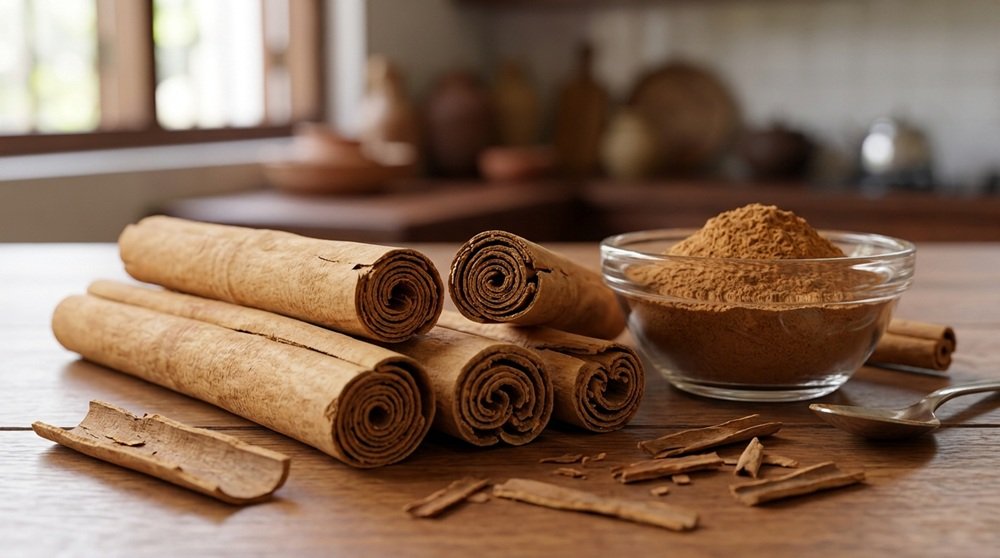
Have you ever wondered where does the best Cinnamon come from?
Cinnamon is one of the most loved spices in the world. Its warm smell and soft taste can change a dish, a drink, or even a dessert in seconds. For many people, cinnamon is a simple kitchen spice. But the truth is that not all types of cinnamon are the same.
Some are stronger, some are cheaper, and some are smoother. Many studies and expert notes show that one place stands out above all others for producing the finest type. And that place is actually where the best cinnamon comes from.
This article-cum-guide is just about discussing the place that gives the true cinnamon to the world, how to identify it, and why does the best cinnamon come only from that place.
What Makes Cinnamon “The Best”?
Before we talk about which place gives the world its finest cinnamon, let us understand what “best” really means. Many people think strong smell or strong taste means better spice. But with cinnamon, that is not always true. There are clear features that experts and researchers use to compare types of cinnamon.
Below are the main points that help decide the value and rank of cinnamon.
Taste and Aroma
Good cinnamon has a soft, warm, sweet taste. It should not feel rough or sharp when you try it. The smell must be gentle and smooth, almost like sweet wood mixed with light floral notes. Ceylon Cinnamon is known for this special sweetness.
Cassia Cinnamon, which is cheaper and common in many stores, has a very strong and harsh taste. This kind is usually used in large factories and in low-cost spice mixes.
Texture
Ceylon Cinnamon sticks look thin, smooth, and packed with many very tiny layers. When you break a stick, it cracks gently. Cassia sticks are thick and hard. Breaking one feels like breaking solid bark.
Safety
This part is very important for many buyers today. Research from the National Library of Medicine (NLM) and food safety groups notes that Cassia Cinnamon carries high coumarin levels. Coumarin is a natural plant compound. High intake for long time may affect the liver. Ceylon Cinnamon has very low coumarin. This makes it safe for regular use in tea, coffee, baking, or daily food.
Quality of Farming
Good cinnamon must grow in clean soil with natural care. Sri Lanka uses traditional farming methods passed down for many generations. These steps help keep the spice pure and high in value.
Smoothness in Cooking
Ceylon Cinnamon blends easily with food without changing the flavor too fast. You can use it in sweet dishes, baked food, warm drinks, and even some light meals.
When you look at all these points, Sri Lanka’s cinnamon stands out clearly. That is why chefs, tea makers, natural doctors, and spice lovers often call it the finest cinnamon on earth.
Where Does the Best Cinnamon Come From?
The world’s best cinnamon comes from Sri Lanka. The highest quality type is known as Ceylon Cinnamon or True Cinnamon.
Why Sri Lanka Is Known for Producing the Best Cinnamon
Sri Lanka is known around the world as the home of the finest cinnamon. This reputation did not appear overnight. It comes from a long history, the island’s natural climate, skilled farmers, and a careful process that has been protected for many generations.
When people talk about “true cinnamon,” they are talking about Ceylon Cinnamon, and Sri Lanka is the only major producer of this rare and high-quality spice. Let us look at the reasons in detail why Sri Lanka continues to lead the world in cinnamon production.
A Perfect Natural Climate
Cinnamon trees need warm temperatures, steady sunlight, and gentle humidity. Sri Lanka’s climate offers these conditions throughout the year. The southern and western regions of the island, such as Galle, Matara, Kalutara, and Ratnapura, are especially famous for their ideal soil and rainfall pattern.
This climate helps the Cinnamomum verum tree grow healthy bark layers, which directly improves aroma, taste, and texture. Because the weather stays stable, farmers do not need to push the plant to grow. It grows naturally, which results in cleaner and more delicate cinnamon.
Centuries of Knowledge and Skill
One of the strongest reasons for Sri Lanka’s cinnamon quality is the deep skill of its farmers. Cinnamon peeling and processing are delicate tasks that require practice, patience, and steady hands. Many families in Sri Lanka have been growing and peeling cinnamon for generations. These skills are passed from parents to children, and the traditional methods remain unchanged even today.
This handwork cannot be replaced by machines. Machines damage the thin layers of bark, but trained peelers can remove the bark in long, smooth strips that roll into perfect cinnamon quills. This human touch is what gives Ceylon Cinnamon its famous light texture and many thin layers.
Clean and Natural Farming Practices
Sri Lankan cinnamon farms follow gentle farming practices. Many farmers avoid heavy chemicals and keep the soil natural. Cinnamon trees grow well without strong fertilizers, which means the spice remains pure and safe. Because the plant grows in clean conditions, the final product has a softer flavor and a more pleasant smell.
Strict Grading and Export Standards
Sri Lanka has one of the most detailed cinnamon grading systems in the world. Before cinnamon is exported, the sticks are checked for thickness, color, moisture, aroma, and cleanliness. Grades such as Alba, C5, C4, and M5 show the quality level.
Only cinnamon that meets these strict rules is sent to global markets. This system protects the country’s reputation and ensures that buyers receive consistent quality.
Naturally Low Coumarin Levels
One of the biggest differences between Ceylon Cinnamon and Cassia Cinnamon is coumarin content. Scientific studies show that Cassia has high coumarin, which may be harmful if used daily. Ceylon Cinnamon from Sri Lanka has very low levels, making it safer for long-term use. This safety factor is a major reason why global chefs, tea brands, and health-focused consumers prefer Sri Lankan cinnamon.
A Strong Global Reputation
Over the years, Sri Lanka’s name has become linked with pure cinnamon. Food professionals, spice traders, and cooks across the world trust Sri Lanka’s product for its consistency and taste. Many premium tea companies, dessert makers, and natural health brands use Sri Lankan cinnamon because of its smooth aroma and clean flavor.
In simple terms, Sri Lanka is known for producing the best cinnamon because the island has the perfect environment, skilled farmers, clean farming traditions, strict quality checks, and a spice that is naturally gentle and safe. All these parts come together to create a cinnamon that stands above all others.
How Ceylon Cinnamon Is Grown and Harvested
Ceylon Cinnamon is special not only because of its soft taste and gentle smell, but also because of the careful way it is grown and harvested. The process is slow, traditional, and done mostly by hand. Each step requires skill, patience, and a deep understanding of the cinnamon plant. This is why Ceylon Cinnamon is rare, valuable, and known as the finest type in the world.
Growing the Cinnamon Plant
Ceylon Cinnamon comes from the Cinnamomum verum tree. Farmers begin by planting small shoots, usually during the rainy season when the soil is soft and moist. These shoots are placed in well-drained soil with partial shade. Young plants need regular watering and protection from strong heat.
The cinnamon tree grows slowly, and it takes nearly two or three years before it is ready for the first harvest. During this time, farmers trim the plant lightly so that new shoots can grow straight and strong. Healthy growth is important because only soft inner bark produces high-quality cinnamon.
Cutting Mature Stems
When the plant is mature, farmers carefully cut selected stems. They do not cut the entire tree, because keeping the roots alive helps the plant grow new branches. Cutting is usually done after rainfall, when the bark becomes naturally loose and easier to peel. This reduces damage to the bark and keeps the layers smooth.
Scraping the Outer Bark
After the stems are cut, the first step is to remove the hard outer bark. Farmers use a small, sharp scraper to shave off the rough layer. This exposes the soft inner bark underneath. This part of the process needs a steady hand, because removing too much bark can damage the inner layers.
Peeling the Inner Bark
This is the most delicate and important step. Skilled cinnamon peelers use thin, curved knives to lift the inner bark in long strips. The peelers must work quickly while the bark is still moist, because once it dries, it becomes hard to handle. These thin sheets are the main raw material for Ceylon Cinnamon sticks.
Rolling the Cinnamon Quills
The thin bark strips are placed inside one another and rolled into long tubes called quills. This creates the famous multi-layered look that Ceylon Cinnamon is known for. The layering also gives the spice its soft texture and light feel.
Drying and Grading
Once rolled, the quills are dried under warm air. As they dry, they turn golden brown and release their natural aroma. After drying, they are sorted by color, thickness, and smoothness. Sri Lanka uses a special grading system such as Alba, C5, C4, and M grades to classify quality.
Packing and Final Preparation
Finally, the cinnamon sticks are cut to size, tied into bundles, and packed for sale or export. Every step, from growing to packing, is done with care, which is why Ceylon Cinnamon remains one of the most trusted spices in the world.
How to Identify Real Ceylon Cinnamon When Buying
Many people accidentally buy Cassia Cinnamon because it is cheap and sold in many shops. To make sure you choose real Ceylon Cinnamon, check the following signs:
Look at the Stick Layers
Real Ceylon Cinnamon has many thin layers rolled together. It looks like soft, rolled paper.
Cassia has one thick, heavy bark layer.
Check the Color
Ceylon Cinnamon is light brown to golden.
Cassia is dark reddish brown.
Break the Stick
Ceylon breaks easily with light pressure.
Cassia is hard and difficult to break.
Smell Test
Ceylon Cinnamon smells sweet and soft.
Cassia has a strong, sharp smell.
Taste
Ceylon has a gentle, smooth taste.
Cassia is hot and spicy.
Coumarin Level
Only Ceylon Cinnamon has very low coumarin. This is one of the safest ways to confirm the type.
Packaging and Label
Look for labels such as:
- “Ceylon Cinnamon”
- “True Cinnamon”
- “Sri Lanka Cinnamon”
If the label does not mention Sri Lanka, be careful.
Price Range
Real Ceylon Cinnamon is more costly because it takes more work to produce. Very cheap cinnamon is almost always Cassia.
Powder Test
Ceylon Cinnamon powder is light and fine. Cassia powder is darker and rough.
Conclusion
So, Where Does the Best Cinnamon Come From? It definitely comes from Sri Lanka. The island has the perfect climate, rich soil, and generations of skilled farmers who understand every small detail of growing and peeling the cinnamon bark.
Research from trusted sources also shows that Ceylon Cinnamon has very low coumarin levels, making it a safer choice for daily use in tea, desserts, home cooking, and wellness routines. Its soft taste and warm scent blend easily with food without overpowering it. One of the trusted sellers on true cinnamon in Sri Lanka are Export In Stock Lanka.